This material was prepared as part of an information campaign aimed at increasing healthcare professionals’ awareness of the opportunities and practical application of telemedicine in HIV services and services for key populations.
From Concept to Practice
Over recent years, telemedicine has gradually become an important tool for expanding access to healthcare services in Ukraine. Remote models of care became particularly relevant during the COVID-19 pandemic and later in the context of the full-scale war, when the ability to receive a medical consultation remotely became not only convenient but, for many patients, essential.
In the field of HIV services, telemedicine creates additional opportunities to ensure continuity of care, support adherence to treatment and prevention, and provide consultations regardless of a patient’s location.
One practical example of the implementation of this approach in Ukraine is the Help24 TeleHealth Online Clinic.
What Is Help24 TeleHealth?
Help24 TeleHealth is a specialised telemedicine service designed to provide access to remote consultations and professional support, particularly for people living with HIV, members of key populations, and other people who require confidential and convenient access to healthcare services.
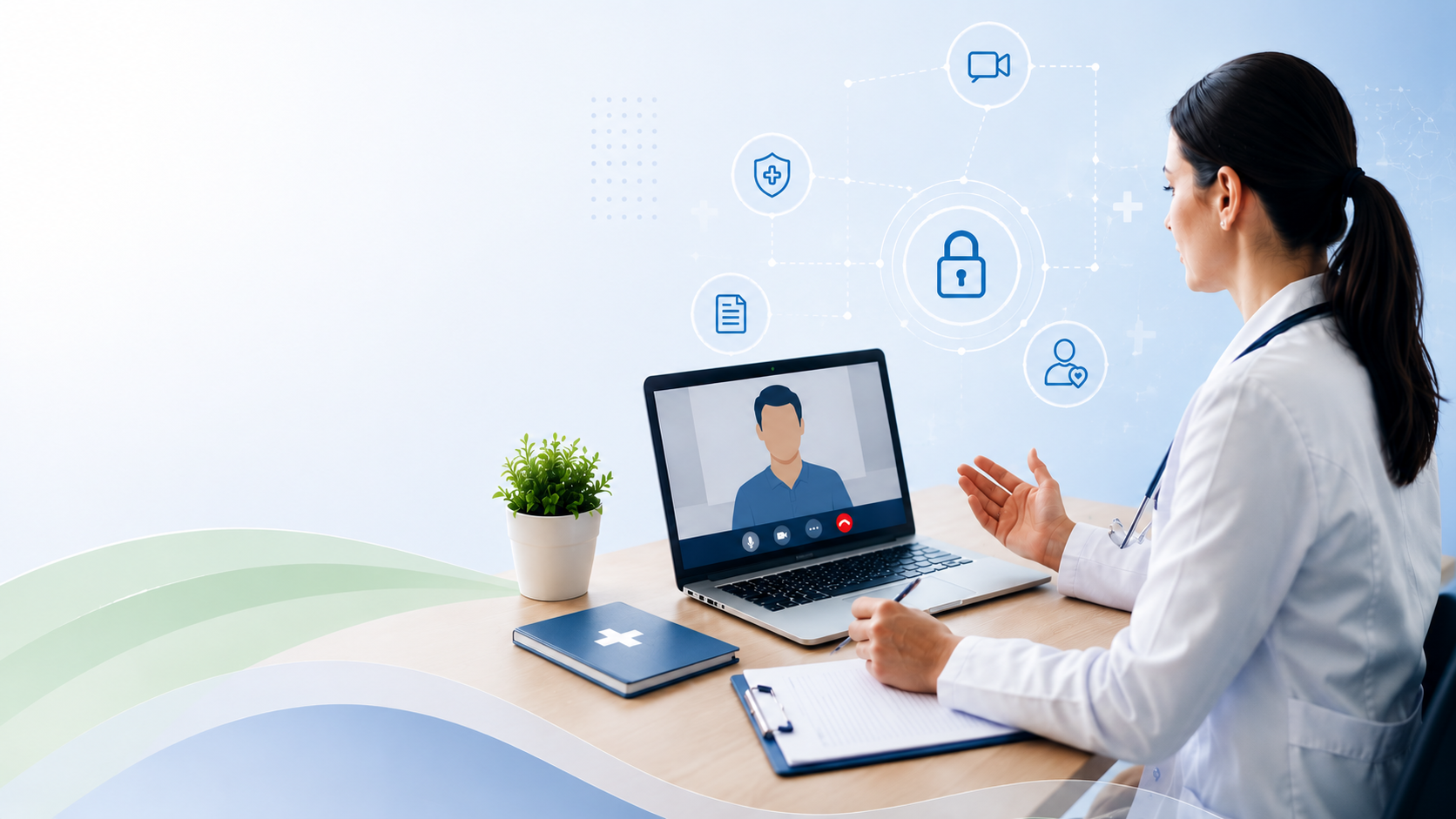
The service enables patients to consult healthcare professionals remotely through modern digital communication tools.
Its operating model combines telemedicine consultations with further referral to appropriate healthcare, social, and community-based services when the patient’s needs cannot be fully addressed remotely.
The Online Clinic is available at h24.org.ua and should be distinguished from the Help24 information portal available at help24.org.ua.
Which Services Can Be Provided Remotely?
Practical experience shows that many patient requests can be addressed without an immediate in-person visit to a healthcare facility.
Telemedicine may be used for:
- follow-up consultations with clinically stable patients;
- counselling related to antiretroviral therapy;
- supporting adherence to HIV treatment;
- providing information and counselling on HIV prevention and sexually transmitted infections;
- counselling on pre-exposure prophylaxis, or PrEP;
- assessing the need for PrEP-related services and referring clients for HIV testing and required clinical examinations;
- follow-up support for PrEP users, including adherence counselling and discussion of possible adverse effects;
- providing information on post-exposure prophylaxis, or PEP, and promptly referring people for urgent assessment where appropriate;
- psychological support;
- consultations related to coexisting health conditions;
- referral to appropriate healthcare, social, and community-based services;
- continued support between in-person consultations.
This approach helps maintain continuity of care and allows healthcare professionals to respond to patients’ needs in a timely manner.
Benefits for Healthcare Professionals
The practical experience of telemedicine services demonstrates several benefits for healthcare professionals.
These include:
- maintaining regular communication with patients;
- improving access to services for people living in remote areas or temporarily residing in another region;
- reducing the number of missed consultations;
- involving professionals from different specialties in patient care;
- enabling more flexible scheduling of consultations;
- strengthening health information and prevention activities;
- supporting patients between in-person visits;
- facilitating referral and follow-up across different services.
Telemedicine also creates additional opportunities for multidisciplinary cooperation among infectious disease specialists, family doctors, psychologists, psychiatrists, dermatologists, gynaecologists, and other professionals involved in comprehensive care.
A Practical Patient Pathway
A typical patient pathway within a telemedicine service may include several stages.
First, the patient selects an appropriate healthcare professional and registers for an online consultation. During the consultation, the healthcare professional assesses the person’s needs, reviews the available medical information, provides recommendations, and determines whether the issue can be managed remotely.
When additional assessment, laboratory testing, or an in-person examination is required, the patient is referred to an appropriate healthcare facility or service. A follow-up consultation may then be used to discuss the results, monitor adherence, review treatment or prevention needs, and plan the next steps.
For people seeking PrEP, for example, the remote pathway may include initial counselling, discussion of HIV-related risks and prevention options, referral for HIV testing and other required examinations, and subsequent follow-up to support adherence and regular monitoring.
The final clinical decision must always be based on the patient’s individual situation and applicable national clinical requirements.
Key Lessons from Telemedicine Implementation
Experience with telemedicine services in Ukraine demonstrates that successful implementation depends on more than the digital platform itself.
Important components include:
- preparing healthcare professionals to work effectively in a remote format;
- developing clear procedures for consultations, referrals, documentation, and follow-up;
- ensuring confidentiality and the protection of personal and medical data;
- obtaining informed consent;
- informing patients about the available services and their limitations;
- establishing clear mechanisms for referral to in-person care;
- maintaining effective communication between medical, social, and community-based services;
- monitoring service quality and patient feedback.
The combination of technology, clinical expertise, coordinated referral pathways, and a person-centred approach creates the foundation for effective telemedicine.
Confidentiality and a Non-Discriminatory Approach
For people living with HIV and members of key populations, the quality of communication is as important as the technical accessibility of the service.
Remote consultations should be organised in a way that protects confidentiality and respects patients’ dignity. Healthcare professionals should avoid assumptions, use inclusive and non-stigmatising language, and ensure that patients are able to discuss sensitive matters in a safe environment.
At the beginning of a remote consultation, it may be useful to confirm:
- the patient’s identity in an appropriate and proportionate manner;
- whether the patient can speak privately;
- whether the communication channel is suitable for discussing medical information;
- whether the patient understands the format and limitations of the consultation;
- what steps should be taken if an in-person assessment is required.
When an In-Person Consultation Is Necessary
Telemedicine should not be used as a substitute for in-person care when the clinical situation requires a physical examination, urgent intervention, laboratory or instrumental diagnostics, or a procedure that cannot be performed remotely.
An in-person consultation may be necessary when:
- the patient reports acute or potentially serious symptoms;
- a physical examination is needed to make a clinical decision;
- the available information is insufficient for safe assessment;
- laboratory testing or instrumental diagnostics are required;
- the patient needs an urgent assessment for PEP;
- the healthcare professional identifies a risk to the patient’s life or safety;
- the patient prefers an in-person consultation.
The decision to continue remotely or refer the patient for in-person care remains a matter of professional clinical judgement.
Future Development
Further development of telemedicine in HIV services can improve access to healthcare, strengthen continuity of treatment and prevention, and expand opportunities for cooperation between patients and healthcare professionals.
The practical experience of Help24 TeleHealth demonstrates that telemedicine can become an effective component of an integrated healthcare model and an important tool for supporting people living with HIV and members of key populations.
Its greatest value lies not in replacing conventional healthcare, but in creating additional, flexible, and confidential pathways through which people can receive professional support, remain connected to care, and be referred to the appropriate services when necessary.
References
- World Health Organization. Global Strategy on Digital Health 2020–2025.
- World Health Organization. Recommendations on Digital Interventions for Health System Strengthening.
- European AIDS Clinical Society. EACS Guidelines.
- Cabinet of Ministers of Ukraine. Strategy for the Development of Telemedicine in Ukraine.
- Help24 TeleHealth Online Clinic — practical experience of telemedicine service delivery in Ukraine.